
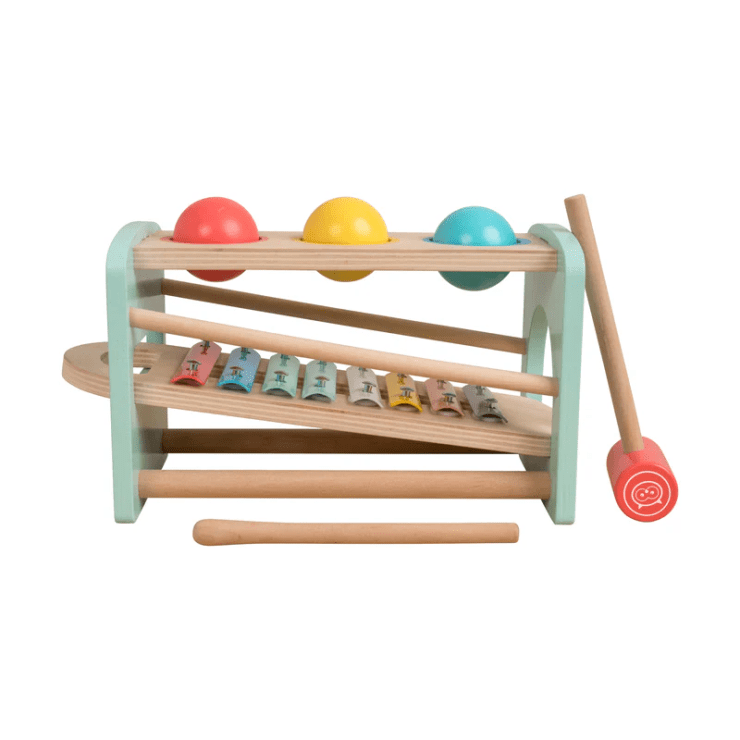
Play is an essential part of childhood development, offering opportunities for growth, learning, and creativity. It allows children to explore the world around them, develop new skills, and strengthen their imagination. As parents and caregivers, it’s our responsibility to nurture these moments of discovery by providing enriching, imaginative play experiences. Incorporating thoughtful tools and toys into playtime, such as the Pikler Triangle set and Montessori toys, can significantly enhance a child’s creativity and problem-solving abilities. In this article, we will explore several creative tips to inspire your child’s imagination through play, focusing on the importance of open-ended activities and mindful toy choices.
1. Create an Inviting Play Space
A well-designed play space can be an excellent catalyst for creative play. Children are naturally curious and will often gravitate toward areas where they can freely explore, move, and create. Consider dedicating a specific area in your home for play—whether it’s a corner in the living room or a separate playroom. Keep the space uncluttered, with a few carefully chosen items that encourage imagination.
Montessori toys, known for their focus on simplicity, functionality, and promoting independence, can be an ideal addition to a creative play space. These toys are designed to help children engage in activities that stimulate their senses, improve motor skills, and boost problem-solving abilities. For instance, wooden puzzles, stacking blocks, and shape sorters are all excellent tools for encouraging independent and imaginative play. Keep these toys organised, accessible, and within easy reach to allow your child to explore at their own pace.
2. Incorporate the Pikler Triangle Set for Physical Exploration
The Pikler Triangle set is an innovative tool that fosters physical development and creativity. Designed by Hungarian pediatrician Emmi Pikler, this climbing structure is more than just a way for children to burn off energy—it encourages imaginative play by challenging children to navigate and problem-solve as they climb, balance, and explore.
A Pikler Triangle set typically includes a wooden frame with adjustable rungs that children can use to climb. The beauty of this structure lies in its simplicity, which invites children to invent their own games and scenarios. For example, the Pikler Triangle can become a mountain for an adventurous explorer or a castle wall for a knight in a fantasy world. The possibilities are endless.
By providing your child with a Pikler Triangle set, you are offering a tool that encourages physical activity while also enhancing cognitive development. As children build their strength and coordination through climbing, they also develop their spatial awareness, which can contribute to better creativity in other aspects of their play.
3. Encourage Dramatic Play with Simple Props
Dramatic or pretend play is a cornerstone of imaginative development. Children naturally love to role-play, whether it’s pretending to be a doctor, a chef, or an astronaut. Providing them with simple props—such as a play kitchen, costumes, or even household items like cardboard boxes or wooden spoons—can fuel their imagination and creativity.
Montessori toys, often made from natural materials, lend themselves perfectly to dramatic play. For example, wooden food items, tea sets, or pretend play tools allow children to engage in realistic, imaginative scenarios while also promoting social development as they interact with others. The key is to give your child the freedom to create their own stories, rather than dictating the rules of the game. This open-ended approach to play encourages the child to think creatively and use their imagination to bring their ideas to life.
4. Introduce Open-Ended Toys for Infinite Possibilities
One of the most effective ways to inspire creativity in your child is to provide them with open-ended toys—those that don’t have a fixed purpose or outcome. Unlike traditional toys that often come with instructions or specific goals, open-ended toys allow children to explore endless possibilities and use their imagination to invent new ways to play.
Toys like building blocks, construction sets, and play dough are great examples of open-ended toys. These types of toys encourage children to experiment, problem-solve, and explore different concepts. A set of wooden blocks, for example, can be used to build towers, houses, bridges, or even abstract sculptures, depending on the child’s imagination. Similarly, play dough can be moulded into anything from animals to landscapes to food items.
Montessori toys also fit into this category, as they are often designed with versatility in mind. Items like stacking rings, peg dolls, or shape sorters can be used in a variety of ways to foster imaginative play. By offering toys that don’t limit the child’s creativity, you’re providing them with the opportunity to explore their own ideas and concepts.
5. Make Nature Part of the Play Experience
Nature is a wonderful source of inspiration for a child’s imagination. Whether it’s collecting leaves and rocks, building dens in the garden, or simply exploring the outdoors, nature provides endless opportunities for creative play. Encouraging your child to play outside in natural environments can help stimulate their imagination while also providing them with physical exercise and fresh air.
You can further enhance outdoor play by bringing nature-inspired toys into the mix. Consider toys like wooden animals, gardening kits, or nature-based art supplies such as coloured chalks or natural clay. These items can help your child connect with the natural world, further encouraging their imaginative play. Nature-based play not only boosts creativity but also promotes a deep sense of curiosity and wonder about the environment.
6. Limit Screen Time to Encourage Active Imagination
In today’s digital age, children are often surrounded by screens—from televisions to smartphones and tablets. While screen time isn’t inherently bad, it can limit opportunities for imaginative play. When children are constantly consuming passive content, their ability to create and imagine can be stifled.
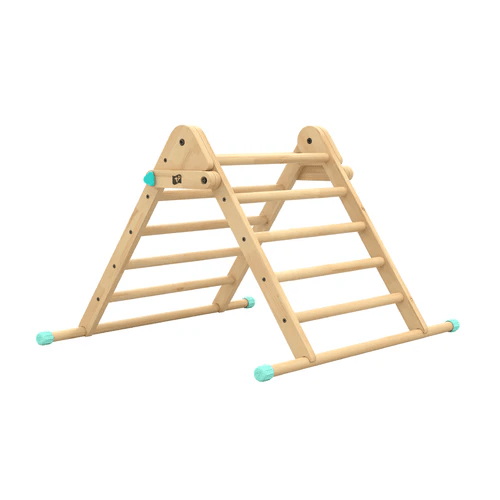
To encourage more imaginative play, consider limiting your child’s screen time and encouraging more hands-on, tactile activities. Instead of playing a game on a tablet, invite your child to use their Pikler Triangle set, engage in dramatic play with Montessori toys, or create a craft project using natural materials. By limiting screen time, you are allowing your child’s imagination to flourish in more organic ways.
7. Incorporate Storytelling and Art
Storytelling and art are two powerful ways to ignite a child’s imagination. Encourage your child to create their own stories, whether through drawing, painting, or telling tales aloud. Art supplies like crayons, markers, and paints provide the perfect medium for children to visually express their thoughts and ideas. Storybooks can also play a role, but it’s important to allow your child the freedom to create their own narratives rather than just passively consuming stories.
Incorporating toys like Montessori dolls or wooden figurines can help children act out their stories and bring their characters to life. These figures can serve as props for imaginary adventures, allowing your child to act out various scenarios and practice their storytelling skills.
8. Be Involved in Play Without Controlling It
Finally, while it’s important to offer a wide range of tools and toys to stimulate your child’s imagination, it’s equally important to step back and allow your child to take the lead. Rather than controlling the direction of their play, be present and engaged in their activities without dictating how things should unfold. You can offer guidance or suggestions when necessary, but let your child’s creativity guide the experience.
Also Read: Why Investing in the Right Toys Creates Lifelong Play and Development Benefits for Your Child
By allowing your child to lead their own play, you are helping them develop important problem-solving and decision-making skills. You are also showing them that their ideas are valuable and worthy of exploration.
Conclusion
Imaginative play is an essential part of a child’s development, fostering creativity, independence, and problem-solving skills. By creating an environment filled with open-ended toys like Montessori items, incorporating physical activity through tools like the Pikler Triangle set, and encouraging outdoor exploration, you can inspire your child’s imagination and give them the freedom to explore their own ideas. Remember, the key is to provide opportunities for creativity without dictating the outcome. Through thoughtful play and mindful toy choices, you can nurture your child’s natural ability to dream, create, and imagine.



