
Quick Answer: For toddler tantrums, what actually works is staying calm, naming the emotion rather than the behaviour, and avoiding using screens as the primary way to end a tantrum, since research shows 93% of toddlers already display upset behaviour when media is removed, and heavy reliance on screens for soothing is linked to more extreme, harder-to-regulate tantrums over time.
Every parent googling toddler tantrums what actually works at 2am has usually already tried the obvious things, and research backs up why some common instincts genuinely help while others quietly make things worse over time. A study following 269 toddlers found that 93% of parents reported their child throwing tantrums or resisting at least sometimes when media use ended, and children whose parents relied heavily on screens specifically to calm difficult emotions showed more extreme reactions and more problematic media use overall.
What Genuinely Helps vs. What Backfires Long-Term
| Approach | Short-Term Effect | Longer-Term Pattern |
|---|---|---|
| Staying calm, naming the emotion | Slower in the moment | Builds genuine emotional regulation skill |
| Screen as the go-to soother | Fast, reliable in the moment | Linked to more extreme tantrums over time |
| Distraction with physical play/toys | Moderately fast, engages the child | Builds self-soothing without a screen dependency |
| Giving in to end the tantrum | Immediate relief | Reinforces tantrums as an effective strategy |
| Consistent, calm limits | Slower, sometimes messier initially | Reduces tantrum frequency over weeks/months |
Based on published child development and media emotion-regulation research.
Why Screens Work Brilliantly in the Moment and Poorly Over Time
Handing over a phone or tablet reliably stops a tantrum in seconds, which is exactly why it’s such a tempting go-to strategy for an exhausted parent in a busy supermarket. The research complication is that toddlers who are frequently soothed with screens showed more extreme emotional reactions when media was removed, and their parents were more likely to report that screens felt like the only thing that worked, a pattern that tends to compound rather than resolve over time.
Naming the Emotion Rather Than Judging the Behaviour
Simply stating what a toddler appears to be feeling, “you’re really frustrated that we have to leave the park”, rather than immediately addressing the behaviour itself, helps build the vocabulary and self-awareness toddlers need to eventually regulate these emotions independently. This takes noticeably longer in the moment than simply distracting or giving in, but it’s doing genuine developmental work.
This technique works even when a toddler is too overwhelmed in the moment to actually respond or calm down immediately; the value comes from consistent repetition over weeks and months, gradually building a vocabulary for emotional states that the child eventually starts using independently.
Physical Play as an Alternative to Screen Soothing
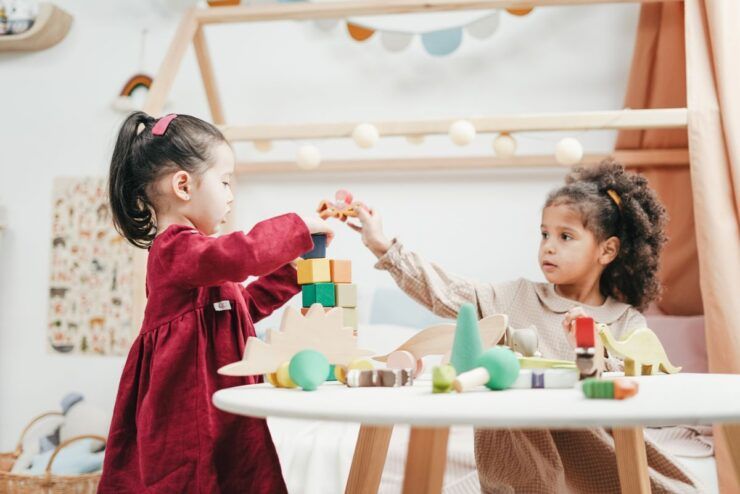
Encouraging a toddler to physically engage with a toy, a favourite object, or even simple movement during a building frustration teaches the same self-regulation skill that a screen soothes over rather than builds. It’s slower and messier than handing over a tablet, but it’s genuinely working toward a toddler managing their own emotions rather than outsourcing that management entirely.
This doesn’t mean screens are forbidden entirely, occasional use for genuine convenience is realistic and fine, the distinction the research draws is specifically around screens becoming the primary, default tool for every difficult emotion, rather than one option among several a toddler learns to draw on.
Why Consistency Matters More Than Any Single Technique
A specific technique matters less than applying it consistently; a toddler who occasionally gets what they want after a big enough tantrum has genuinely learned that tantrums sometimes work, which reinforces the exact behaviour a parent is trying to reduce. Consistent, calm limits, even when uncomfortable in the moment, produce a clearer, faster-learned pattern over weeks.
The Vocabulary Connection Worth Knowing About
Research tracking toddlers over time has found tantrums are genuinely connected to language development, with toddlers who have fewer words in their vocabulary tending to experience more frequent and more disregulated tantrums. This suggests that supporting language development generally, alongside in-the-moment tantrum strategies, has a genuine knock-on benefit for emotional regulation too.
When Tantrums Might Need a Closer Look
Occasional, even frequent, tantrums are a completely normal part of toddler development. Tantrums that are extremely prolonged, involve self-harm, or continue well beyond the toddler years without any improvement are worth discussing with a health visitor or GP, since they can occasionally point to an underlying developmental or sensory difference worth assessing properly.
Keeping a brief, honest note of tantrum frequency, triggers, and duration over a couple of weeks, rather than relying on memory alone, gives a health visitor genuinely useful information if a conversation does become necessary, and often reassures a worried parent that the pattern is well within a normal range regardless.
Key Takeaways
- Heavy reliance on screens to end tantrums is linked to more extreme reactions and problematic media use over time.
- Naming the emotion, rather than just addressing behaviour, builds genuine long-term emotional regulation skill.
- Physical play and toys offer a slower but more developmentally useful alternative to screen-based soothing.
- Consistency in applying limits matters more than which specific technique is used in any single tantrum.
- Limited vocabulary is genuinely linked to more frequent, harder-to-regulate tantrums, so language support helps too.
Conclusion
None of this makes a public meltdown any less exhausting in the moment, but understanding what’s actually building long-term skill versus what’s just buying five minutes of peace helps guide the choice. Our piece on screen time rules that won’t start a family war covers the related, equally tricky territory of managing screens day to day.
And if mealtimes are their own daily battle, our guide to getting your kids to eat vegetables without a fight applies some of the same patient, consistent principles.
Frequently Asked Questions
Is it normal for toddlers to tantrum when a screen is taken away?
Yes, research found 93% of parents reported at least occasional tantrums or resistance when media use ended, making it a genuinely common, expected part of toddler development.
Does using screens to calm a tantrum cause long-term harm?
Research links heavy reliance on screen-based soothing to more extreme emotional reactions and more problematic media use over time, though occasional use isn’t shown to cause the same pattern.
What’s a genuinely effective alternative to screens for calming a toddler?
Physical play with a favourite toy or object, combined with naming the emotion the child appears to be feeling, builds self-regulation skill more effectively than screen-based distraction.
Why do some toddlers tantrum more than others?
Temperament genuinely plays a role, alongside vocabulary size; toddlers with fewer words available to express frustration tend to have more frequent, more disregulated tantrums.
When should tantrums be discussed with a health professional?
If tantrums are extremely prolonged, involve self-harm, or show no improvement well beyond the toddler years, a health visitor or GP conversation is worth having to rule out an underlying developmental factor.