
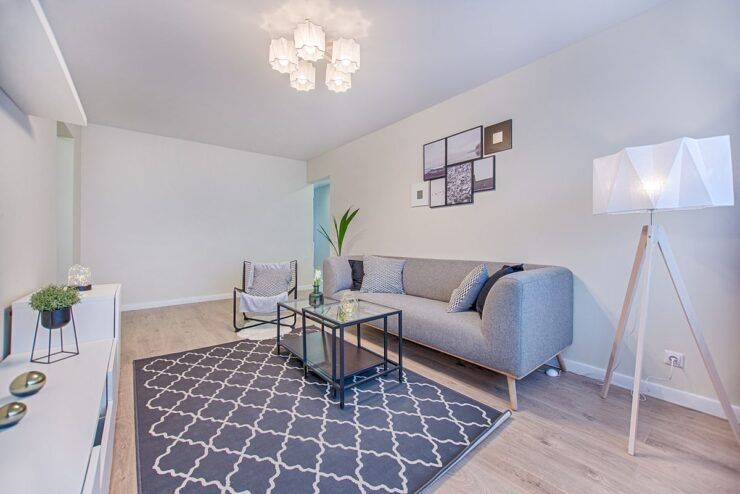
Quick Answer: Minimalism for beginners works best as an ongoing, values-based practice rather than a single overwhelming clear-out. A 2026 study published via Springer Nature found minimalist behaviour has a 54% positive effect on happiness, with the biggest gains coming from freed-up time spent on meaningful activities rather than simply owning fewer possessions.
Most people approach minimalism for beginners decluttering as a single, exhausting weekend event, when the research consistently points to something considerably gentler and more sustainable: small, values-based decisions repeated regularly, rather than one dramatic purge that risks a rebound straight back to clutter within months.
Decluttering vs. Genuine Minimalism
| Aspect | Decluttering (an event) | Minimalism (a lifestyle) |
|---|---|---|
| Duration | A single weekend or session | An ongoing, ideally lifelong practice |
| Focus | Removing existing possessions | Intentional choices about what enters your life |
| Risk | The purchase-purge rebound cycle | Genuinely reduced accumulation over time |
| Emotional driver | Often urgency or overwhelm | Personal values and priorities |
| Typical outcome | Temporary tidiness | Sustained reduction in clutter and stress |
Based on recent academic research distinguishing decluttering events from minimalism as an ongoing practice.
Why the Research Points to Time, Not Just Possessions
A 2026 study found minimalist behaviour carries a genuinely significant 54% positive effect on happiness, but the underlying mechanism wasn’t simply owning fewer things, it was how people spent the time freed up by lower consumption and less clutter management. This reframes minimalism as fundamentally about time and intention, not just an empty shelf.
Why a Single Big Clear-Out Often Doesn’t Last
A weekend spent clearing an entire house feels genuinely satisfying in the moment, but without a clear, ongoing decision framework for what’s allowed back in afterward, the default setting for most households is simply more, and clutter quietly returns within months. This is exactly why treating minimalism as a single event, rather than a maintained practice, tends to disappoint.
Starting Small: The Low-Stakes Entry Point
Beginning with genuinely low-emotion areas, a single kitchen drawer, a bathroom cabinet, rather than sentimental items or an entire room, builds confidence and a working decision process before tackling anything genuinely difficult. Limiting sessions to thirty or forty-five minutes also prevents the exhaustion that often causes a decluttering session to be abandoned halfway through.
Using Personal Values as the Actual Filter
Rather than a generic rule like “if you haven’t used it in a year, get rid of it,” filtering decisions through your own specific values, what genuinely supports your actual goals and priorities, produces more lasting, personally meaningful results than a one-size-fits-all decluttering rule borrowed from someone else’s very different life.
A practical version of this: before deciding on any item, ask specifically what value it serves, comfort, function, genuine sentiment, rather than a vague sense of “might need it.” Items that can’t answer this specific question honestly are usually the easiest and most confident items to actually let go of.
Applying Minimalism Beyond Physical Possessions
The same underlying principle extends naturally to digital clutter and commitments: unsubscribing from apps and notifications that don’t add genuine value, and applying a version of “one in, one out” to new obligations, saying no to something before saying yes to something else, both extend minimalism’s core logic well beyond physical objects.
Calendar and commitment clutter often causes just as much low-grade stress as physical clutter, yet gets far less attention in most decluttering conversations. Applying the same specific, values-based filter, does this commitment genuinely align with what actually matters to me, works just as well for a packed diary as it does for an overstuffed wardrobe.
Building a Decision Framework to Prevent Rebound
The genuine key to lasting minimalism is a simple, repeatable rule for what’s allowed to enter your home and life going forward, not just what leaves it during a single clear-out. Without this ongoing filter, even a beautifully decluttered home tends to slowly refill, since the underlying purchasing and accumulation habits never actually changed.
A genuinely simple version of this rule: before any non-essential purchase, wait 48 hours and ask whether it aligns with a specific value or goal you’ve already identified. This small pause alone filters out a surprising share of impulse purchases that would otherwise quietly become tomorrow’s clutter.
Key Takeaways
- Minimalist behaviour shows a genuinely significant 54% positive effect on happiness, driven mainly by freed-up time, not possession count.
- Treat minimalism as an ongoing practice with a decision framework, not a single decluttering event.
- Start with low-stakes areas (a drawer, a cabinet) in short 30–45 minute sessions to avoid overwhelm.
- Filter decluttering decisions through personal values rather than a generic, borrowed rule.
- Extend the same principle to digital clutter and commitments, not just physical possessions.
Conclusion
Genuine minimalism is considerably less about an empty room and considerably more about what you do with the time and clarity it creates. If mornings are where you’d like to apply some of this same intentional simplicity, our guide to building a morning routine that actually sticks follows a similar small-steps philosophy.
And our piece on digital detox: how I cut my screen time in half applies these same minimalist principles specifically to digital clutter.
Start smaller than feels satisfying, one drawer, one shelf, and let the sense of ease that follows do the rest of the persuading; minimalism rarely needs to be argued for once it’s actually been experienced.
Frequently Asked Questions
Does minimalism actually make people happier, or is that just a trend claim?
Recent academic research does support a genuine, measurable link between minimalist behaviour and happiness, though the mechanism appears to be freed-up time and intentional living rather than possession count alone.
What’s the difference between decluttering and minimalism?
Decluttering is typically a single event focused on removing possessions, while minimalism is an ongoing lifestyle practice involving a ongoing decision framework for what enters your life going forward.
Where should a genuine beginner start with minimalism?
Low-stakes, low-emotion areas like a kitchen drawer or bathroom cabinet, tackled in short 30–45 minute sessions, are a more sustainable starting point than an entire room or sentimental items.
Why do decluttered homes often fill back up with clutter?
Without a clear, ongoing rule about what’s allowed to enter the home afterward, the default accumulation pattern simply resumes, regardless of how thorough the original clear-out was.
Can minimalism apply to things other than physical possessions?
Yes; the same underlying principle extends naturally to digital clutter, notifications, and even commitments and obligations, applying a similar intentional filter across all of them.




Add comment