
Quick Answer: There’s no single food or supplement that dramatically boosts your immune system naturally; the evidence-backed approach is supporting the immune system you already have through consistent sleep, regular movement, a varied diet rich in fruit and vegetables, and good hand hygiene. Vitamin D is the one supplement the NHS specifically recommends for UK adults during autumn and winter, when sunlight exposure is too low to produce enough naturally.
Winter brings out a wave of products promising to boost your immune system naturally, but the immune system doesn’t really work like a dial that can be turned up; it’s a complex, balanced system that functions best when the basics, sleep, nutrition, movement, stress management, are consistently supported rather than boosted with a single miracle ingredient.
What Genuinely Supports Immune Function
| Factor | Evidence Strength | Practical Action |
|---|---|---|
| Sleep | Strong; poor sleep measurably reduces immune response | 7–9 hours nightly, consistent schedule |
| Vitamin D | Strong for UK winters specifically | 10 microgram daily supplement, Oct–March |
| Regular movement | Moderate to strong | 150 minutes of moderate activity weekly |
| Varied diet | Strong for overall nutrient support | Fruit, vegetables, protein, wholegrains |
| Hand hygiene | Very strong for reducing infection transmission | Regular washing, especially before eating |
| Stress management | Moderate; chronic stress suppresses immune function | Regular relaxation, social connection |
Based on NHS guidance and general immunology consensus; no single factor works in isolation.
Why Vitamin D Gets Specific NHS Attention in Winter
The NHS specifically advises everyone in the UK to consider a daily 10 microgram vitamin D supplement during autumn and winter months, since the sun isn’t strong enough between roughly October and early March for the skin to produce sufficient vitamin D naturally at this latitude. This is one of the few immune-related recommendations with genuinely specific, official UK guidance behind it, rather than general wellness advice.
Certain groups are advised to consider a supplement year-round rather than just in winter, including people with limited sun exposure, darker skin tones, or those who cover most of their skin for cultural or religious reasons, since these factors all reduce the skin’s ability to produce vitamin D from sunlight regardless of season.
Sleep’s Underrated Role in Immune Function
Sleep deprivation measurably reduces the effectiveness of immune response, partly because certain immune cells are produced and regulated during deep sleep stages. This is exactly why the sleep habits covered in NHS sleep hygiene guidance aren’t a separate wellness topic from immune health, they’re directly connected, and poor sleep during winter can leave the body genuinely less equipped to fight off common seasonal illnesses.
This connection runs in both directions too; falling ill often disrupts sleep quality through congestion, coughing, or general discomfort, which can create a difficult cycle where poor sleep and illness reinforce each other. Prioritising sleep specifically during and immediately after an illness, not just as prevention beforehand, supports a faster, more complete recovery.
Movement Without Overdoing It
Regular, moderate exercise supports immune function, but very intense, prolonged exercise without adequate recovery can temporarily suppress immune response rather than support it. This is a useful nuance during winter specifically, since pushing through exhausting workouts while already run down doesn’t provide the same benefit as a consistent, moderate routine.
This doesn’t mean avoiding challenging exercise altogether; it means being realistic about recovery time and not treating a hard, sweat-drenched session as automatically better for immune health than a moderate one, particularly during a week when sleep or stress levels are already lower than normal.
Nutrition: Variety Over Single “Superfoods”
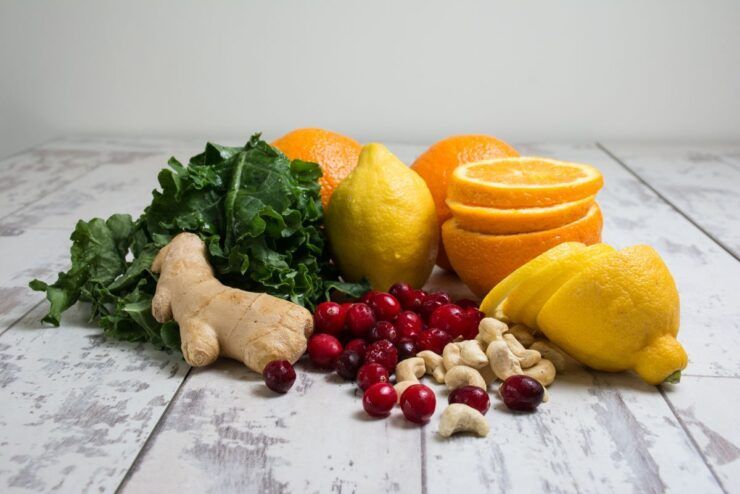
No single food, however nutrient-dense, provides a meaningful immune boost on its own; a genuinely varied diet across the week, different fruits, vegetables, proteins, and wholegrains, provides the broad range of vitamins and minerals immune function actually depends on. Marketing around single “immune-boosting” foods and juices tends to overstate what any one ingredient can achieve in isolation.
Hand Hygiene: The Most Underrated Winter Habit
Regular handwashing, particularly before eating and after being in public spaces, remains one of the most effective, evidence-backed ways to reduce the actual transmission of the seasonal illnesses that circulate most in winter. It doesn’t strengthen the immune system directly, but it reduces how often that system needs to fight something off in the first place.
Proper technique matters as much as frequency; washing for a full twenty seconds with soap, covering all surfaces including between fingers and under nails, removes considerably more virus and bacteria than a brief rinse, and this simple detail is one of the most cost-free, evidence-backed health interventions available to anyone.
Stress and Social Connection
Chronic, unmanaged stress is linked to measurably reduced immune function over time, which makes stress management a genuine part of winter wellness rather than a separate mental health topic. Maintaining social connection through the darker winter months, when isolation tends to increase, supports both mood and the physiological stress response that affects immunity.
Seasonal Affective Disorder, a recognised form of depression linked to reduced daylight, affects a meaningful share of the UK population and can compound both stress and disrupted sleep, both of which independently affect immune function. Anyone noticing a genuine, persistent low mood pattern specifically tied to winter months is worth discussing this with a GP rather than assuming it’s simply a normal winter slump.
Key Takeaways
- Consider a 10 microgram vitamin D supplement between October and March, per specific NHS guidance for UK adults.
- Prioritise consistent sleep; poor sleep measurably reduces immune response effectiveness.
- Keep exercise moderate and consistent rather than intense and sporadic, especially when already run down.
- Focus on dietary variety across the week rather than relying on a single “superfood.”
- Regular hand hygiene reduces infection transmission more reliably than any supplement.
Conclusion
Supporting immune function is really an extension of general good health habits rather than a separate winter project. Since sleep plays such a central role here, our simple habits for better sleep you can start tonight pairs directly with this guidance.
And for the dietary side specifically, our piece on the truth about gut health covers how fibre and diet variety support the body more broadly, immunity included.
None of this guarantees avoiding every winter cold entirely, immune support reduces risk and severity rather than offering complete protection, but consistently practising these basics genuinely does shift the odds in your favour over a full winter season.
Frequently Asked Questions
Does vitamin C actually prevent colds?
Evidence suggests vitamin C may modestly reduce the duration of a cold in some people but doesn’t reliably prevent colds from occurring in the general population, so it’s not a substitute for other immune-supporting habits.
Should everyone in the UK take a vitamin D supplement in winter?
The NHS specifically recommends considering a 10 microgram daily supplement for all UK adults between October and March, since natural sunlight isn’t strong enough during these months to produce sufficient vitamin D.
Can intense exercise actually weaken the immune system?
Very intense, prolonged exercise without adequate recovery can temporarily suppress immune function, which is why moderate, consistent activity is generally recommended over occasional extreme exertion.
Is there a single best food for immune health?
No; a genuinely varied diet across the week provides more comprehensive nutrient support than relying on any single “superfood,” regardless of how it’s marketed.
How does stress actually affect the immune system?
Chronic, unmanaged stress is linked to measurably reduced immune function over time through its effects on hormones and inflammation, making stress management a genuine part of supporting overall immune health.





Add comment